
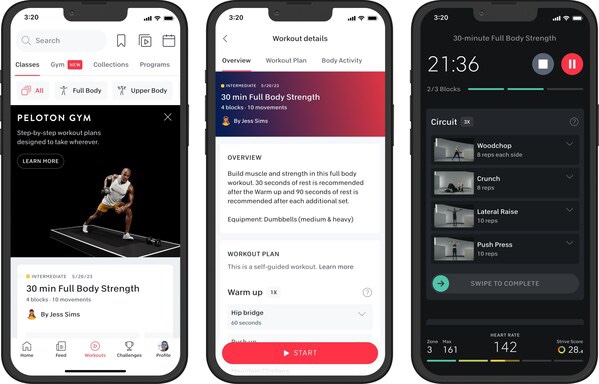
On May 23, fitness company Peloton announced a brand relaunch, declaring itself “open and available for everyone to experience its expert instructors and world-class content, even for free.” The relaunch emphasizes the company’s app instead of its trademark exercise equipment, with tiered membership levels for accessing content.
I previously blogged about Peloton’s marketing woes coming out of the pandemic. Closed gyms and social isolation boosted the company; however, the radical shift in market environmental forces was temporary. As COVID receded, people returned to previous fitness routines, leaving Peloton with an oversupply of four-figure bikes and treadmills.
Peloton has also suffered PR crises, including a perception that it is elitist, intended for the wealthy and already-fit, detriments reinforced by a notorious 2019 ad in which a husband gives a Peloton bike to his lean wife, who rides it assiduously while taking nervous selfies. Additional reputation damage has come from accusations of insider trading as execs sold $500 million in stock before a big price drop and from product recalls including a treadmill that caused injuries and a child’s death.
Peloton’s pivot to content and services is understandable given the decline of its hardware sales. Apple, a company renowned for its hardware, has been building its services offerings as subscriptions draw steadier revenue and reinforce brand loyalty. Replacing founder John Foley in 2022, CEO Barry McCarthy hails from streaming companies Netflix and Spotify. Nevertheless, Peloton’s repositioning expands its competition as many company produce fitness content and digital wellness programs. The move also deemphasizes premium branding, which may be a negative to its most loyal customers.
Listen, I tell you a mystery: We will not all sleep, but we will all be changed—
1 Corinthians 15:51 NIV
Why is a company’s mission statement important when it rebrands? Is Peloton upholding its mission statement? How can Christians find their mission statements in scripture?
Is Peloton unwisely abandoning its positioning with the emphasis on its app and lower-priced offerings? Or is it merely responding to market trends. What happens when a marketer hangs on to old products/positioning too long (reference Kodak and Sears)? How does scripture balance a bold view of the future with reverence for the past?
Do you think Peloton will attract new customers with its content emphasis? Do you think these new customers will be more likely to upgrade to Peloton’s signature hardware? What does scripture say about welcoming new guests?
 JASON WILLIAM KARPF